

Legal disposal and fines for fly tipping in Kennington
Posted on 17/08/2026

If you live, work, manage property, or run a business in Kennington, fly tipping is one of those problems that is hard to ignore once you spot it. A black bag dumped beside a wall, a broken chair left near a bin store, builders' rubble abandoned by a kerb - it only takes a small pile to make a street look neglected and to trigger the wrong kind of attention. This guide explains the legal disposal and fines for fly tipping in Kennington in plain English, so you know what counts as illegal dumping, how liability can work, what penalties may apply, and how to dispose of waste the right way without creating extra risk for yourself.
We will also look at sensible local alternatives, common mistakes people make when booking rubbish removal, and how to keep records that protect you if something goes wrong. Truth be told, the law side can feel a bit dry at first. But if you have ever had to deal with waste after a move, renovation, garden tidy-up, or shop refit, it becomes very real, very quickly.
Why Legal disposal and fines for fly tipping in Kennington Matters
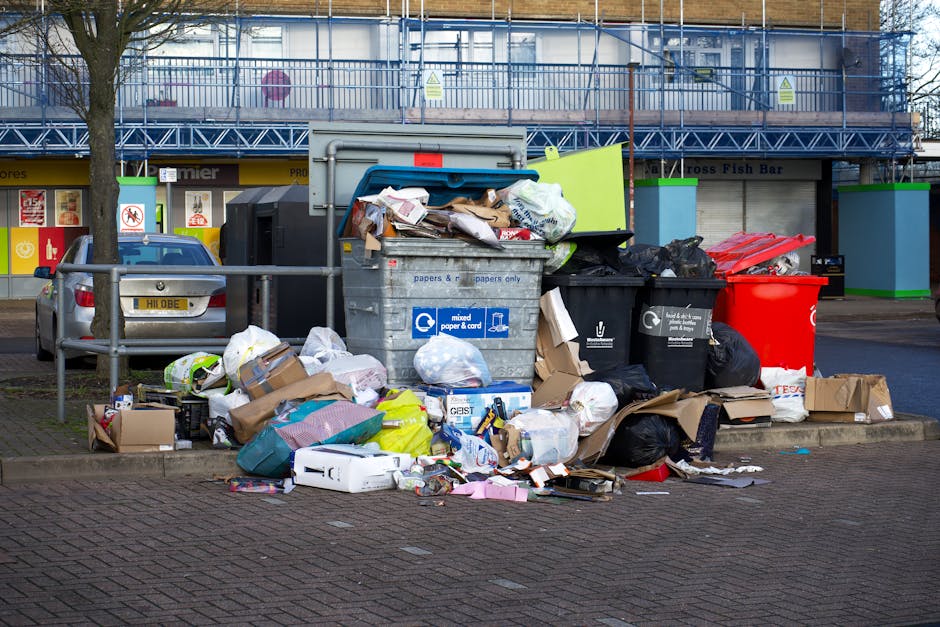
Fly tipping is not just an eyesore. In a place like Kennington, where residential streets, estate walkways, small businesses, and construction activity often sit close together, dumped waste can create a chain reaction of problems. It can block access, attract pests, cause safety hazards, and lead to a general sense that an area is not being cared for. You will notice it most in the details: torn bin bags, shattered glass, a fridge left by a curb, the smell after a warm day, the awkward shuffle round a pile that should never have been there in the first place.
What makes this topic especially important is that fly tipping can carry consequences for the person who dumped the waste and, in some situations, for the person or business connected to it. That does not mean people are automatically guilty just because waste is found nearby. But it does mean that a careless disposal decision, a missing record, or hiring the wrong clearance operator can become a costly headache. If you are comparing lawful disposal choices, it helps to understand the basics of recycling and sustainability as well, because the best waste route is often the one that keeps materials out of landfill and out of trouble.
There is also a broader community point here. Local rubbish issues affect how people feel about a street, a block, or even a whole patch of Kennington. If you are curious about the local character of the area itself, you might enjoy this look at Kennington's unique vibe, because a tidy, well-kept environment is part of what gives the area its appeal.
Key takeaway: the safest path is simple: keep records, use lawful disposal routes, and never assume that "someone else will deal with it" means you are off the hook.
How Legal disposal and fines for fly tipping in Kennington Works
At the heart of it, lawful waste disposal means handing waste to a legitimate carrier or taking it to an approved disposal route, rather than leaving it somewhere it should not be. Fly tipping, by contrast, is the unauthorised disposal of waste on land that is not licensed or intended for that purpose. That can include public land, alleyways, the side of a road, communal areas, private forecourts, and even some spots where people assume dumping is "temporary". Temporary rarely stays temporary. That is the problem.
In practice, fines and enforcement usually depend on a few factors: the amount and type of waste, the location, whether the dumping was deliberate, whether it appears linked to business activity, and whether there is evidence tying the waste back to a person or company. Councils can issue fixed penalty notices in some cases, and more serious cases can lead to larger penalties through the courts. For businesses, the risk can go beyond a simple fine. There may be reputational damage, extra cleanup costs, and questions about duty of care if waste was handed to an unlicensed operator.
One point people miss: you can still be implicated if you pay someone to remove waste and they dump it illegally. That is why documentation matters. Keep invoices, collection details, and any information that proves who collected what, when, and where it was taken. If your waste comes from home clearances or refurbishment, it is also wise to understand service categories like house clearance in Kennington and builders waste disposal in Kennington, because different waste streams can require different handling and, honestly, different levels of planning.
If you are dealing with a one-off collection after a busy week or a sudden clear-out, a straightforward rubbish collection service in Kennington can be the safer route than piling bags in a car park and hoping for the best. That sort of hope is expensive.
Key Benefits and Practical Advantages
Choosing legal disposal is not only about avoiding fines, although that is a big one. It also makes day-to-day life easier. When waste is handled properly, you reduce the chance of complaints from neighbours, avoid disputes over shared spaces, and lower the odds of a messy enforcement issue turning into a much bigger one.
- Lower legal risk: lawful disposal gives you a cleaner paper trail and reduces the chance of being linked to dumped waste.
- Better site presentation: useful if you are a landlord, homeowner, shopkeeper, or office manager.
- Less disruption: no need to revisit a problem waste pile because it was not removed correctly the first time.
- Safer handling: bulky, sharp, or contaminated items are more likely to be dealt with responsibly.
- Clearer budgeting: you can compare proper clearance options instead of paying hidden costs later.
There is also a practical advantage if you are managing property or business premises. A lawful clearance approach is easier to explain to tenants, neighbours, contractors, or insurers if someone asks why waste was removed or where it went. That can matter more than people expect, especially after a move-out, a shop refit, or a basement clear-out. If you want a broader sense of available services, the services overview is a useful place to start, and for a general read on the company side, about us gives useful context too.
And yes, cost matters. But the cheapest option is not always cheapest once you factor in the risk of a fine, a collection failure, or a call from someone asking why your waste is now sitting by a lamp post. That call is never fun. Never.
Who This Is For and When It Makes Sense
This subject matters to more people than you might think. It is not just for people who have been fined or caught dumping waste. It is relevant if you are simply trying not to get into trouble while clearing space.
- Homeowners who are clearing lofts, garages, gardens, or old furniture.
- Tenants who need to leave a property tidy at the end of a tenancy.
- Landlords and letting agents managing waste left behind by occupants.
- Builders and tradespeople handling renovation debris, packaging, or demolition materials.
- Retail and office managers dealing with packaging, fixtures, or bulky office items.
- Residents on estates or shared blocks where communal dumping can become everyone's problem.
It also makes sense for anyone comparing cleanup methods after a sudden event: a last-minute move, a broken appliance, a garden refresh, or a small renovation. If you are unsure whether your situation needs same-day help, the article on same-day rubbish collection near Kennington Oval Station is a practical read. Likewise, if you are dealing with a long-ignored stack of belongings, loft clearance can sometimes be the cleaner solution than trying to patch together several smaller trips.
One useful rule of thumb: if the waste is heavy, awkward, mixed, or likely to cause access issues, it is worth planning the disposal properly before it becomes a fly tipping problem. That sounds obvious, but people often only realise it after the bags are already outside.
Step-by-Step Guidance
Here is a simple, practical way to handle disposal without drifting into risky territory.
- Sort the waste by type. Separate household rubbish, garden waste, furniture, electrical items, and builders' debris if possible.
- Check whether anything needs special handling. Mattresses, fridges, paint, rubble, and electricals may require different treatment from ordinary bin waste.
- Choose a legal disposal route. That might be a licensed clearance service, a bulky waste collection arrangement, or another lawful option suitable for the waste stream.
- Ask for clear documentation. You want proof of collection, and ideally evidence of what was taken.
- Keep records. Save receipts, messages, job details, and any vehicle or company information you are given.
- Do not leave items out "just for a bit". If it is outside your property and unattended, it can become a complaint or enforcement issue quickly.
- Follow up if waste is not removed as agreed. Do not assume the collector has handled it properly unless you have enough information to trust the process.
If your waste is being generated by building work or a bigger domestic clear-out, it may help to compare disposal options against likely access and loading issues. The pages on common problems with skip hire and access and permits and skip hire rules in Lambeth Council area can help you think through the practical side before you book anything.
A small but important detail: if you are disposing of items after a clear-out, take a quick photo before they leave. It is boring admin, yes, but it can save arguments later. A couple of images and a receipt can be worth far more than people expect.
Expert Tips for Better Results
Most disposal problems are not dramatic. They are small, avoidable slips. That is the annoying bit. The good news is that a few habits make a big difference.
- Use written confirmations. If a provider says they will take a specific load, get that in writing.
- Ask what happens after collection. A legitimate provider should be able to explain the disposal route in broad terms.
- Match the service to the waste. Garden waste, office items, and builders' waste do not always need the same approach.
- Do not split loads casually. Multiple trips can create confusion about what went where.
- Keep access clear. Poor access can lead to delays, extra handling, or items being left behind.
- Use one clear point of contact. Especially in shared buildings or business premises, this avoids the "I thought someone else arranged it" problem.
If you are shopping around, it can help to read how to avoid hidden fees in rubbish removal quotes before you commit. A quote that looks neat on screen can become less neat once access, labour, or disposal details are added.
For people managing regular waste, especially in commercial settings, there is value in consistency. A clear routine is better than making ad hoc decisions on a rainy Thursday afternoon when everyone wants to leave early. Been there, seen that. It never ends well.
Common Mistakes to Avoid
Fly tipping issues often begin with good intentions and poor follow-through. Here are the mistakes that show up most often in real life.
- Leaving waste beside communal bins and assuming it will be "sorted later".
- Handing waste to an unknown collector who offers a cheap deal and no paperwork.
- Mixing different waste types without checking whether any items need special treatment.
- Assuming liability ends at payment. In reality, you may still need evidence of proper disposal.
- Booking the wrong service for the job. A light household pickup is not the same as builders' rubble clearance.
- Ignoring local access problems. Narrow roads, stairs, locked gates, and shared courtyards can all affect what happens next.
Another common one: people trust a verbal promise and nothing else. Then the waste is gone, or seems gone, but there is no trail. If that sounds dramatic, fair enough, but it happens more than most people realise. For extra peace of mind, a provider focused on insurance and safety is usually a better bet than someone who is vague about everything.
And if you are managing a bigger property clear-out, consider whether you need a service that covers the whole job rather than patching things together. Waste clearance in Kennington can be the more efficient route when the pile is larger than expected. Which, let's face it, is often the case.
Tools, Resources and Recommendations
You do not need a mountain of paperwork to stay on the right side of things. But a few simple tools make lawful disposal much easier.
- Phone camera: take photos before and after collection.
- Notes app: record dates, company names, and what was removed.
- Receipt folder: keep invoices and job confirmations in one place.
- Checklist: use one before every disposal job so nothing is forgotten.
- Comparison notes: compare scope, access, and waste type, not just price.
For service selection, the most helpful pages are usually the ones that explain the work clearly. You can review pricing and quotes to understand how clear pricing is presented, and payment and security if you want reassurance around how bookings are handled. If you are dealing with particular item types, these pages can also be useful: furniture disposal in Kennington, garden waste removal, and office clearance in Kennington.
For landlords and residents who want to understand the local household side better, Lambeth Council rules for bulky waste collection in Kennington is also relevant reading. Not glamorous, no. Useful, absolutely.
Law, Compliance, Standards, or Best Practice
From a compliance standpoint, the key idea is duty of care. In plain English, that means you should take reasonable steps to ensure your waste goes to an authorised, responsible destination. If you are a business, that expectation is even stronger. If you are a homeowner, it still matters, because ignorance is not a great defence if your waste is linked back to you.
Best practice usually includes:
- using a reputable, traceable waste carrier;
- getting written confirmation of what was collected;
- keeping receipts and job records;
- separating recyclable and specialist waste where practical;
- not abandoning items near bins, walls, corners, or alleyways;
- planning access so collections can happen without disruption.
If a company cannot explain its collection process in a straightforward way, that is a red flag. Not necessarily proof of wrongdoing, but enough to make you pause. A decent operator should be able to speak plainly, keep records, and follow safe handling procedures. That basic professionalism matters more than slick sales talk.
For readers comparing wider company standards, the pages on terms and conditions, privacy policy, and accessibility statement may also be worth a look. They do not replace legal advice, of course, but they do show how a business presents its responsibilities and service boundaries.
Options, Methods, or Comparison Table
When you are deciding how to dispose of waste legally, the real question is not just "what is cheapest?" It is "what is appropriate for this load, this access, and this level of risk?" Here is a straightforward comparison.
| Option | Best for | Main advantage | Main drawback |
|---|---|---|---|
| Licensed rubbish collection | Mixed household or light business waste | Simple, quick, and documentable | May cost more than self-help |
| Bulky waste arrangement | Large single items or a small number of bulky pieces | Convenient for clear, defined items | Not ideal for messy mixed loads |
| Dedicated clearance service | House, loft, office, or full-property clear-outs | Efficient for bigger jobs and awkward access | Requires more planning than a quick bin-side drop-off |
| Skip hire | Ongoing work with space for placement | Good for repeat loading during projects | Can involve access, permit, and fill-limit issues |
For many Kennington households, a full clearance service is the most practical option when waste is bulky, varied, or time-sensitive. For smaller loads, a well-organised pickup may be enough. If your concern is timing, the article on the real cost of house rubbish removal in SE11 Kennington is a good companion read.
Case Study or Real-World Example
Picture a fairly ordinary scene. A resident in Kennington clears out a spare room after months of meaning to do it. There is an old wardrobe, a bag of clothes, some boxed bits from a move, and a broken desk chair. The temptation is to leave it all beside the bins for a day or two and hope it disappears. That is where trouble begins.
Instead, the resident separates the load, checks which items can be collected together, and books a lawful pickup. They take two quick photos of the pile, keep the confirmation message, and ask for a receipt once the waste is removed. The job is done. No mystery bags in the alley, no annoyed neighbours, no risk of being associated with dumped items later on.
Now compare that to the messy version. Someone pays cash to a stranger with a van, gets no paperwork, and never sees where the waste went. A week later, that waste is found dumped near another street. Even if the original customer did not mean to cause harm, they have very little protection if questions arise. It is one of those situations where being careful for ten extra minutes saves a lot of stress later. Small effort, big difference.
Practical Checklist
Use this before any disposal job in Kennington.
- Have I identified exactly what I need to dispose of?
- Do any items need special handling?
- Have I chosen a lawful disposal route?
- Does the provider offer clear confirmation or paperwork?
- Have I taken photos of the waste before collection?
- Have I kept records of the booking and payment?
- Is access clear for safe loading?
- Am I sure nothing has been left in a shared or public space?
- Have I compared the service against the job size, not just the price?
- Would I be able to explain this disposal later if someone asked?
If you can answer yes to those questions, you are in a much safer position. And if a few answers are still unclear, it is better to pause than rush. Waste problems have a habit of getting larger when people try to be clever.
Conclusion
Legal disposal and fines for fly tipping in Kennington may sound like a narrow subject, but it touches everyday life in more ways than most people expect. A skipped over bag, an unlicensed collector, or a poorly planned clearance can lead to fines, complaints, access problems, and wasted time. The good news is that the safer route is usually the simpler one: plan early, keep records, use a legitimate disposal option, and avoid leaving waste anywhere that could be treated as dumping.
For households, landlords, tradespeople, and local businesses alike, good waste habits reduce risk and keep Kennington looking cared for. That matters. Not in some abstract way, but in the small day-to-day experience of walking down a street that feels orderly, lived-in, and respected.
Get a free quote today and see how much you can save.
 Tipper Van - Waste Clearance and Attic Clearance Prices in Kennington, SE11
 Luton Van - Waste Clearance and Attic Clearance Prices in Kennington, SE11

