
Household rubbish clearance for St Anns Estate Kennington
Posted on 07/05/2026
Household rubbish clearance for St Anns Estate Kennington: a practical local guide
If you live on St Anns Estate and your flat, maisonette, or shared hallway has started collecting more than its fair share of old boxes, broken furniture, bagged waste, and "I'll deal with that later" clutter, you are not alone. Household rubbish builds up quietly. A few spare items here, a couple of black bags there, and suddenly the place feels tighter, messier, and harder to enjoy. This guide to Household rubbish clearance for St Anns Estate Kennington explains how the process works, what to watch out for, and how to clear things efficiently without creating extra stress.
You will also find local context, practical planning tips, a useful checklist, and a grounded look at compliance and disposal best practice. If you are comparing services, you may also want to look at the broader rubbish collection options in Kennington, or browse the full services overview to see how different clearance jobs are usually handled.
Quick takeaway: the best household rubbish clearance is the one that is planned properly, sorted sensibly, and removed in a way that respects neighbours, access routes, and recycling priorities. Simple idea. Not always simple in practice, admittedly.
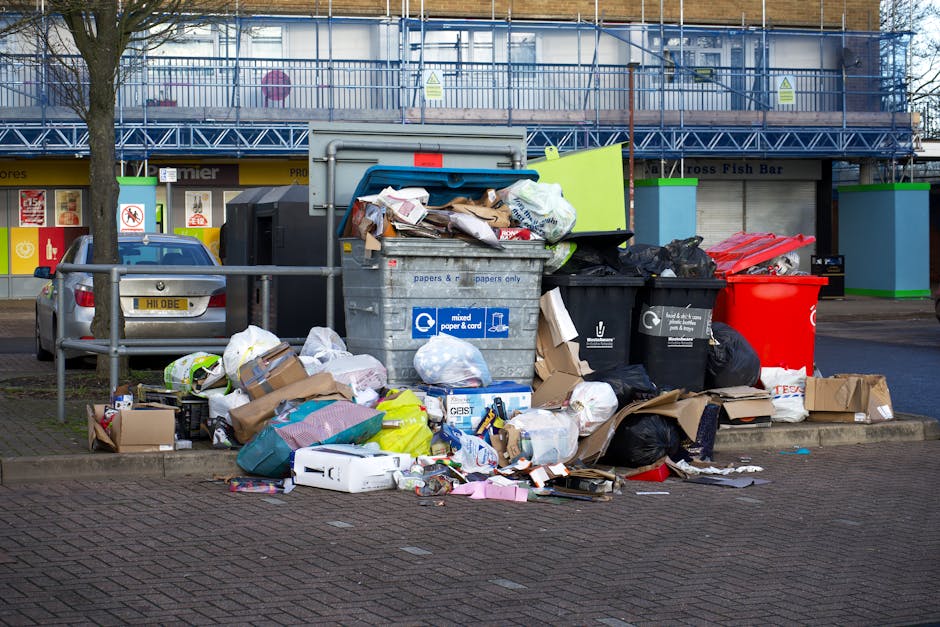
Why Household rubbish clearance for St Anns Estate Kennington Matters
St Anns Estate is a lived-in part of Kennington, with the usual mix of family homes, flats, entrances, stairwells, storage corners, and shared spaces that can become clutter magnets. Household rubbish clearance matters here for a few very practical reasons. First, compact urban homes do not give clutter much room to hide. Second, waste left in communal areas can affect access, hygiene, and the general feel of the building. Third, bulky items can become a nuisance quickly if they are left waiting for a "better time" that never arrives.
There is also a neighbourly side to it. In shared residential settings, one person's delay can become everyone's inconvenience. A black bag in a hallway, a sofa by a bin store, or a pile of cardboard near an entrance is not just untidy; it can trigger complaints, attract pests, or block safe movement. In the dark of an early London morning, when everyone is rushing to work, that kind of obstacle stands out more than people think.
Household rubbish clearance is also about restoring control. You clear the dead space, you reclaim a cupboard, a spare room, a landing. And let's face it, that can change the feel of a home more than a fresh paint colour sometimes.
For residents considering a wider home refresh or move, local area context can matter too. Some people pair clearance with a tenancy end, a sale, or a family rearrangement. If that is your situation, the wider local reading on living in Kennington from a local perspective and finding homes for sale in Kennington can be helpful background, especially when timing a clearance around moving plans.
How Household rubbish clearance for St Anns Estate Kennington Works
In practical terms, household rubbish clearance is a collection and disposal service for unwanted domestic waste that is too much, too awkward, or too bulky for normal day-to-day bin disposal. The exact process varies depending on the type of waste and how much there is, but a sensible clearance job usually follows the same broad pattern.
First, the items are assessed. That could be over the phone, through photos, or during an on-site visit. The main questions are straightforward: what needs removing, how much space it takes, whether there are stairs or access issues, and whether any items need specialist handling.
Second, the waste is separated into rough categories. For example:
- general household rubbish
- recyclable cardboard, metal, or plastics
- furniture and bulky items
- loose items from cupboards, lofts, or storage rooms
- mixed waste from a clear-out
Third, the clearance is carried out in a way that suits the property. On St Anns Estate that may mean careful use of shared entrances, stairwells, lifts if available, and timed loading near the street. Good planning matters here because residential access can be tight. A rushed removal job can annoy neighbours faster than you can say "sorry about the lift".
Finally, the waste is transported for disposal or recycling. Responsible operators aim to divert as much as possible away from landfill by sorting recyclable materials and using approved waste routes. If you want to understand how that sits within a broader sustainability approach, the site's recycling and sustainability information gives useful context.
One helpful distinction: household rubbish clearance is not the same as a full house clearance, though the two can overlap. If you are dealing with an entire property, inherited belongings, or a major move-out, a more structured house clearance in Kennington may be the better fit. If the issue is mostly clutter from living day to day, the job is usually simpler.
Key Benefits and Practical Advantages
The obvious benefit is space. A cleared room feels larger instantly, even before you redecorate or rearrange the furniture. But there are several other advantages that matter just as much, especially in a busy residential estate.
Cleaner shared areas. Removing waste properly helps keep hallways, bin stores, and entrances tidy. That reduces visual mess and can lower the risk of odours, spills, and unwanted pests.
Less stress at home. Clutter is mentally noisy. It keeps asking for attention. Once the waste is gone, many people notice the home feels calmer, even if they did not expect a big emotional shift. Slightly dramatic? Maybe. Still true.
Better use of time. Trying to break down bulky items, carry them downstairs, sort bags, and find disposal options can swallow a weekend. A proper clearance service compresses that effort into a more manageable job.
Safer movement. Bags, boxes, and broken furniture left around the property create trip hazards. In stairwells and tight corners, that is not trivial. Safe access matters, especially in properties with children, older residents, or frequent visitors.
More responsible disposal. A good clearance process is not just about removal; it is about what happens after removal. Reuse and recycling are worth prioritising wherever possible. Heavy items such as wardrobes, tables, and sofas can often be handled more carefully than people expect. For those looking specifically to move bulky items on from a flat or house, furniture disposal in Kennington is often the relevant service route.
Better preparation for life changes. Moving, downsizing, refurbishing, or dealing with a bereavement all become easier when the rubbish is out of the way. That sounds obvious, but in the middle of it, obvious things are often the hardest to act on.
Who This Is For and When It Makes Sense
Household rubbish clearance for St Anns Estate Kennington makes sense for a wide range of residents. It is not only for major clear-outs or dramatic situations. More often, it is for everyday life that has simply got ahead of itself.
You may need it if you are:
- clearing out old furniture after a room redesign
- sorting a loft, understairs cupboard, or storage area
- getting rid of bagged waste after a spring clean
- preparing for a tenancy end or property sale
- moving home and do not want to take unnecessary items with you
- dealing with bulky waste that will not fit normal bins
- managing waste after a family change, such as a new arrival or a bereavement
There is a practical point here: if the waste is mixed, bulky, or awkward to remove safely, a dedicated clearance service is often the simpler route. If it is a smaller amount of general rubbish, a standard rubbish collection service may be sufficient. If you are reworking a garden space or disposing of trimmings and old outdoor items, garden waste removal in Kennington may be more suitable.
Some residents also combine clearance with a bigger property project. If builders have left material behind, that is a different category again, and builders waste disposal in Kennington is usually the more relevant option. It sounds fussy, but matching the service to the waste type tends to save time and money.
Step-by-Step Guidance
A good clearance job is usually won before the van arrives. You do not need a perfect plan, but you do need a decent one. Here is a sensible step-by-step approach.
- Identify what actually needs removing. Walk through the flat or house with a bag or notebook. Be honest. Separate keep, donate, recycle, and remove.
- Check for special items. Batteries, paint, chemicals, electricals, and anything potentially hazardous may need separate handling. Do not quietly tuck them into a general rubbish pile and hope for the best.
- Measure or estimate volume. A couple of bags is very different from a room full of furniture. Photos help here, especially for lofts and storage spaces.
- Consider access. Note stairs, narrow corridors, parking restrictions, timed entry, or communal door codes. On an estate, access can matter as much as volume.
- Choose the right service. For a few bags, collection may be enough. For mixed bulky items, a full clearance approach is usually smoother.
- Book a slot that reduces disruption. Mid-morning or early afternoon often works better than the school-run rush or late evening when neighbours are winding down.
- Keep items grouped where possible. If you can place waste in one room or one corner, it helps the process feel less chaotic.
- Ask where things will go. Good providers should be able to explain whether items are recycled, reused, or disposed of responsibly.
One small but useful tip: take "before" photos of anything especially awkward or disputed in a shared setting. It can help avoid confusion later. Not glamorous, but practical.
Expert Tips for Better Results
After a few clear-outs, some patterns become obvious. The jobs that go well are rarely the ones where every item has been neatly categorised in advance. They are the ones where the decision-making is clear and the access is sensible.
Sort by function, not by emotion. A cracked chair, a dented side table, and ten old magazines can all live in the same "out" category even if parting with them feels oddly harder than expected. People do get attached to the weirdest things. It happens.
Keep recycling separate if you can. Flatten cardboard, bag loose plastics, and group reusable items together. That can make the clearance more efficient and support better material recovery.
Do not overload one area. It is tempting to make a single "everything goes here" pile. Better to keep the pile small and controlled so the room stays usable while you work.
Think about neighbours. Try not to block corridors, doorways, or shared outside areas. If the building is busy, timing becomes part of good manners. Honestly, in communal living it makes a big difference.
Ask about insurance and handling standards. A provider should be able to talk clearly about safety, lifting, and transport. The site's insurance and safety guidance is a sensible reference point when you are checking what good practice looks like.
Use the clearance as a reset point. Once the rubbish is gone, tidy the remaining space straight away. Replace one shelf, set one storage rule, or clear one surface. Small wins. They stack up.
If you are comparing providers, it can also help to review how quotes are prepared. The page on pricing and quotes explains why accurate description, access information, and photos can make the estimate much more useful.

Common Mistakes to Avoid
The biggest mistake is usually not the waste itself. It is the assumption that the waste will somehow become easier to deal with next week. It rarely does.
1. Leaving everything until the last minute. This tends to create panic sorting, and panic sorting is messy sorting.
2. Mixing unwanted items with keepers. Once the piles blend together, something valuable or sentimental can disappear by accident. That is a horrible feeling.
3. Ignoring access issues. A service provider may be able to handle tight access, but they need to know in advance. Surprise staircases are nobody's favourite surprise.
4. Assuming every item can go in general waste. Some materials need separate treatment, especially electronics, chemicals, and certain bulky items.
5. Forgetting shared-space etiquette. In an estate, leaving bags in communal areas "just for a bit" often causes more friction than expected.
6. Choosing on price alone. Cheapest is not always best if it means poor communication, unsafe handling, or unclear disposal routes. A low quote with no detail is not much of a quote.
7. Not checking what the service includes. Collection, loading, disposal, and recycling may all be handled differently depending on the provider. Read the basics, ask the simple questions, and do not be shy about it.
8. Forgetting to plan for bulky furniture. Sofas, wardrobes, and beds can be awkward in narrow stairwells. That is exactly where a bit of planning saves a lot of sweat.
Tools, Resources and Recommendations
You do not need specialist kit for most household clear-outs, but a few practical tools make the process easier and safer.
- Sturdy sacks or bins: for separating general rubbish from recyclables.
- Strong tape and labels: useful if several people are sorting items in the same home.
- Work gloves: especially for lofts, storage corners, and dusty items.
- Dust sheets or tarps: helpful if you are moving items through a clean area.
- Phone camera: for quick photos of waste volumes and access points.
- A simple checklist: because memory gets weird when the flat is full of bags.
Useful resources on this website include the general waste clearance service page, the about us page for background on the company approach, and the payment and security information if you want to understand the booking side more clearly.
For people who are also dealing with loft storage, a visit to loft clearance in Kennington can be especially relevant. Loft jobs often uncover more than expected: old suitcases, broken toys, unused decorations, and the occasional mystery cable that nobody claims. Properly normal, to be fair.
And if you are trying to understand the wider local context, the blog post about Kennington's local character gives a useful sense of the neighbourhood feel, while Kennington party spots is a lighter read if you are planning around a big social weekend and suddenly need the flat looking respectable.
Law, Compliance, Standards, and Best Practice
Household rubbish clearance involves practical compliance rather than complicated legal jargon, but it is still worth handling carefully. In the UK, waste should be transferred to a properly authorised carrier or disposal route. You do not need to become a regulations expert, but you should expect a professional service to behave responsibly and to be able to explain how your waste is handled.
For residents, the main best-practice points are straightforward:
- do not leave waste in communal areas longer than necessary
- keep hazardous items separate unless you have been told otherwise
- use reputable services that can describe their disposal process clearly
- avoid fly-tipping, even if it feels like the quickest option at the time
- retain booking details or proof of service where useful
Fly-tipping is not just unsightly; it can lead to problems for the local area and, in some cases, to enforcement action. Best practice is simple: if you cannot legally and safely dispose of an item yourself, arrange removal through a proper route.
It is also sensible to ask whether a provider prioritises recycling and reuse. Responsible waste management is not about claiming perfection. It is about making good, traceable decisions with the waste that can be diverted from landfill. If you want more on that side, the site's recycling and sustainability page is a useful reference.
For peace of mind on administrative matters, the site also makes its policies available, including the terms and conditions and privacy policy. That kind of transparency matters. It just does.
Options, Methods, or Comparison Table
If you are deciding how to deal with household waste at St Anns Estate, it helps to compare the most common approaches side by side. The right choice depends on volume, urgency, item type, and how much lifting or sorting you want to take on yourself.
| Method | Best for | Pros | Limitations |
|---|---|---|---|
| Self-removal to a reuse or disposal point | Small amounts, flexible timing | Can be inexpensive, full control over sorting | Time-consuming, requires transport, lifting, and know-how |
| Standard rubbish collection | Bagged household waste and modest volumes | Convenient, quick for ordinary waste | Not ideal for bulky furniture or mixed items |
| Dedicated household rubbish clearance | Mixed waste, bulky items, larger clear-outs | More efficient, less physical effort, better for awkward access | Usually costs more than simple self-disposal |
| Specialist clearance | Lofts, furniture, garden waste, builders waste | Tailored handling and better disposal match | Needs clearer planning and item description |
For many estate residents, dedicated clearance is the sweet spot. Not the cheapest in a vacuum, perhaps, but often the easiest, safest, and least disruptive overall. And in London, time has a habit of being worth more than we admit.
Case Study or Real-World Example
A practical example may help. Imagine a two-bedroom flat on St Anns Estate where the spare room has quietly become a storage room. There are three broken chairs, a flat-pack wardrobe that never got rebuilt, four bags of mixed household rubbish, several cardboard boxes, and some old children's items no one wants to throw away too quickly.
The first instinct is often to tackle it in one heroic session. That can work, but only if you have enough time, enough hands, and enough energy. More often, the job goes better when split into stages:
- sort keep, donate, recycle, and remove
- separate the bulky items from bagged rubbish
- check access and parking before the collection
- clear the room from the back forward
- finish with a quick sweep so the space feels reset
In a case like this, a resident might choose a clearance service for the bulky items and a smaller rubbish collection for the bagged waste. That often reduces handling time and keeps the overall job tidy. It also avoids the classic "we'll just pile it by the door for now" trap, which has a strange way of becoming permanent.
People also underestimate the emotional side. A room that has been full for months can feel oddly quiet once it is cleared. A bit echoey, even. But in a good way. That empty-feeling room is often the first sign the home is breathing again.
Practical Checklist
Use this checklist before booking or carrying out household rubbish clearance for St Anns Estate Kennington.
- Have I identified everything that needs to go?
- Have I separated items I want to keep, donate, recycle, or dispose of?
- Are there any hazardous items, batteries, liquids, or electricals?
- Do I know whether the waste is mostly bagged rubbish, bulky furniture, or mixed?
- Have I checked access points, stairs, parking, and estate restrictions?
- Have I taken photos if the volume is hard to estimate?
- Do I know whether I need rubbish collection, house clearance, furniture disposal, or loft clearance?
- Have I confirmed the booking details, timing, and payment process?
- Have I cleared communal routes so the removal can happen safely?
- Do I know what will happen to recyclable items after collection?
If you can tick most of those off, you are already ahead of the game.
Conclusion
Household rubbish clearance for St Anns Estate Kennington is really about more than removing unwanted items. It is about restoring order, keeping communal spaces pleasant, and making everyday life easier in a part of London where space is valuable and access needs a bit of thought. Done well, clearance is tidy, respectful, and efficient. Done badly, it becomes a nuisance for everyone.
The best results usually come from a simple formula: sort carefully, choose the right service, check access, and use a provider that handles disposal responsibly. Whether you are clearing a single room, a loft, a few bulky items, or a whole set of mixed household waste, a planned approach saves time and avoids stress. The home feels lighter afterwards. Not fancy. Just better.
Get a free quote today and see how much you can save.
If you are ready to take the next step, start with the service pages that match your waste type, compare the practical details, and choose the route that makes the most sense for your home. A clear space has a funny way of making everything else feel more possible.